


How to Install Raised Floor Systems for Rooftop Areas in Thailand

Introduction
Installing a raised floor system for rooftop areas in Thailand requires careful planning and precise execution. A raised access floor provides flexibility for electrical wiring, drainage, and insulation, making rooftop areas more functional and easier to maintain.
Raised access floors are widely used in commercial and residential rooftop applications, providing a clean and accessible surface while protecting underlying utilities. By understanding the proper installation methods, property owners can maximize the longevity and performance of their rooftop areas.
What Is a Raised Floor?
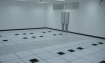
A raised floor is an elevated flooring system that creates a gap between the structural substrate and the finished floor surface. This space allows for the installation of electrical, plumbing, and HVAC systems without affecting the aesthetics or functionality of the rooftop.
Benefits of Raised Access Floors
- Flexible Utility Management: Access panels allow easy maintenance of cables, pipes, and drainage systems.
- Enhanced Insulation: Raised floors can improve thermal and sound insulation.
- Durability: Properly installed raised floors withstand heavy foot traffic and rooftop equipment.
- Aesthetic Appeal: Smooth, level surfaces improve the overall appearance of rooftop areas.
For high-quality raised floor solutions, BSP Floors provides a range of glass raised access floors and durable flooring options that suit Thailand’s outdoor rooftop environments.
Materials Required for Installing a Raised Floor
Before starting the installation, it is essential to gather all necessary materials. Common materials include:
Material | Purpose |
Pedestals | Support the raised floor panels and adjust height |
Floor Panels | The finished surface of the raised floor |
Fasteners | Secure pedestals and panels in place |
Leveling Tools | Ensure the floor is even across the rooftop |
Adhesive or Screws | Optional for additional stability |
Insulation (if needed) | Enhance thermal and acoustic performance |
Using high-quality components ensures that the raised access floor system is sturdy, long-lasting, and capable of supporting rooftop equipment and foot traffic. BSP Floors provides durable panels and pedestals suitable for various rooftop applications.
Step-by-Step Guide to Installing Raised Floors on Rooftop Areas
Step 1: Planning and Layout
Proper planning is crucial. Measure the rooftop area accurately and determine the placement of pedestals and panels. Consider drainage slopes, access points, and rooftop equipment locations. A precise layout ensures efficient installation and optimal use of materials.
Step 2: Preparing the Rooftop Surface
Clean the rooftop surface thoroughly. Remove debris, dirt, or loose particles to create a smooth substrate. Check for water leaks or structural issues that need repair before installation.
Step 3: Installing Pedestals
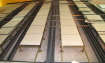
Place adjustable pedestals at calculated intervals according to the panel size. Use leveling tools to ensure each pedestal is vertical and at the correct height. Pedestals provide the foundation for the raised access floor and allow for adjustments to compensate for any rooftop unevenness.
Step 4: Laying Floor Panels
Once pedestals are installed, place the raised floor panels on top. Panels should fit snugly onto the pedestals, with minimal gaps. For heavy or glass panels, handle with care to avoid scratches or breakage. Ensure panels are aligned correctly for a uniform finish.
Step 5: Securing and Leveling
Secure panels using fasteners if required. Check for levelness and adjust pedestals as necessary. This step ensures that the raised floor system remains stable and prevents wobbling or uneven surfaces.
Step 6: Finishing Touches
After installation, inspect the raised access floor system. Clean the panels and check that all access points are functional. Confirm that all utilities beneath the floor, such as wiring and drainage systems, are accessible and properly aligned.
Maintenance Tips for Raised Floors
- Regular Cleaning: Keep the surface free from dust and debris to prevent scratches.
- Inspection: Periodically check pedestals and panels for stability.
- Access Panels: Open access panels carefully when performing maintenance on underlying systems.
- Weather Protection: For outdoor rooftop areas, consider protective coatings or weather-resistant panels to withstand Thailand’s climate.
Choosing the Right Raised Floor for Your Rooftop Area
When selecting a raised access floor, consider the following factors:
- Material: Glass panels offer aesthetic appeal, while high-pressure laminate panels provide durability.
- Load Capacity: Ensure panels can support rooftop furniture, planters, or foot traffic.
- Weather Resistance: Choose materials suitable for exposure to sun, rain, and humidity.
- Brand Reliability: BSP Floors offers tested solutions specifically designed for commercial and residential rooftop areas in Thailand.
Table: Raised Floor vs Traditional Flooring for Rooftops
Feature | Raised Floor | Traditional Flooring |
Utility Access | Easy access to wiring, pipes, and drainage | Limited access, requires cutting or removing tiles |
Installation Time | Moderate, requires pedestals & panels | Usually faster, but no utility flexibility |
Maintenance | Simple access panels for repairs | Difficult to maintain underlying systems |
Durability | High, customizable panel strength | Variable, depends on material |
Flexibility | Adjustable height, modular layout | Fixed height, limited adaptability |
Conclusion
Installing a raised floor on rooftop areas in Thailand enhances functionality, accessibility, and maintenance efficiency. Following proper planning, preparation, and installation steps ensure a stable and durable surface that meets commercial and residential needs. BSP Floors provides reliable panels and pedestals for professional-grade raised access floors, ensuring quality and durability.
For expert guidance and to explore the best solutions for your rooftop area, contact us today.
FAQ
Q1: What is a raised access floor?
A raised access floor is an elevated flooring system that creates a gap between the substrate and floor surface, allowing utilities to run underneath.
Q2: Can raised floors be used outdoors on rooftops?
Yes, with weather-resistant panels and proper installation, raised floors are suitable for outdoor rooftop areas.
Q3: How do I maintain a raised floor?
Regular cleaning, checking pedestals for stability, and careful access panel handling are recommended.
Q4: What materials are best for outdoor rooftop raised floors?
Glass, high-pressure laminate, and weather-resistant panels are commonly used depending on aesthetic and durability requirements.
Q5: Who can install a raised floor?
Professional installation is recommended to ensure accurate leveling, stability, and proper alignment of panels and pedestals.