




What Is ESD Flooring and Why It’s Essential for Industrial Areas

An ESD floor is a specialized flooring system designed to control static electricity in environments where electrostatic discharge can cause damage, safety risks, or operational issues. In industrial and technical spaces, static electricity is not just a minor inconvenience. It can interfere with equipment, damage sensitive components, and disrupt production processes.
This is why ESD flooring is widely used in facilities that require controlled environments. It plays a key role in maintaining electrical stability while supporting daily industrial operations.
Understanding ESD and Static Electricity
ESD stands for electrostatic discharge. It occurs when static electricity built up on a surface or person is suddenly released. While static discharge may feel harmless in everyday settings, it can be problematic in industrial areas.
In controlled environments, even a small static discharge can damage electronic components or affect precision equipment. Static buildup is often caused by friction, movement, or contact between materials. Flooring becomes one of the most critical surfaces involved in this process because it interacts continuously with people, carts, and equipment.
What is an ESD floor?
An ESD floor is designed to either dissipate or conduct static electricity safely to the ground. Unlike standard flooring, it is engineered with materials that control electrical resistance.
These floors are not intended to generate electricity or act as insulation. Instead, they create a controlled path that allows static charges to move away gradually. This helps prevent sudden discharges that could damage equipment or disrupt work environments.
How an ESD Floor Works
An ESD floor works by managing surface resistance. When a person or object meets the floor, static charges are transferred in a controlled manner. The flooring system, combined with proper grounding, ensures that electricity flows safely without sudden release.
This controlled behavior is essential in industrial areas where consistency and predictability are required.
Types of ESD Flooring Used in Industrial Areas
Different types of ESD flooring are used depending on the application, environment, and technical requirements.
Conductive Rubber Tiles
Conductive rubber tiles are commonly used in industrial settings that require high durability. These tiles are manufactured with conductive materials that allow static electricity to move efficiently through the flooring system.
They are often selected for areas with heavy foot traffic or rolling equipment because rubber offers flexibility and resistance to wear.
Conductive PVC and Vinyl Flooring
Conductive PVC flooring is another widely used option. It combines durability with controlled electrical resistance. PVC-based ESD flooring is frequently installed in facilities where cleanliness and uniform appearance are important. This type of flooring is designed for environments that require both static control and long-term performance.
Why ESD Flooring Is Essential for Industrial Environments
Industrial areas often house sensitive equipment, electronic components, or automated systems. Static discharge in these spaces can lead to equipment malfunction, data loss, or costly downtime.
An ESD floor reduces these risks by maintaining controlled electrical behavior across the workspace. It supports stable working conditions and helps protect both equipment and personnel.
Additionally, ESD flooring contributes to consistent production quality. By minimizing unexpected electrical interference, facilities can maintain reliable workflows and reduce operational disruptions.
Key Industries That Use ESD Flooring
ESD flooring is commonly used across several industries where static control is critical.
Electronics manufacturing facilities rely on ESD floors to protect circuit boards and components. Data centers use them to maintain stable environments around servers and networking equipment. Laboratories and testing facilities also depend on controlled flooring to support precision work.
Industrial assembly lines, cleanrooms, and maintenance areas are other common locations where ESD flooring is installed.
Technical Characteristics of ESD Flooring
An ESD floor is defined by its electrical resistance range. This range determines how quickly static charges are dissipated. Flooring systems are designed to meet specific resistance values based on their intended use.
Material composition, surface finish, and installation method all affect performance. Proper grounding is a key requirement. Without correct grounding, even the best ESD flooring will not function as intended.
Consistency across the entire floor surface is also important. Uneven resistance can lead to unpredictable static behavior.
Comparison Table: ESD Flooring vs Standard Industrial Flooring
Feature | ESD Flooring | Standard Industrial Flooring |
Static Control | Designed to dissipate static | No static control |
Electrical Resistance | Controlled and measurable | Not regulated |
Suitable for Electronics | Yes | No |
Grounding Required | Yes | No |
Typical Use | Controlled environments | General industrial use |
Installation and Maintenance Considerations
Installing an ESD floor requires attention to detail. Subfloor preparation, adhesive selection, and grounding methods all influence performance. Installation should follow manufacturer specifications to ensure proper electrical behavior.
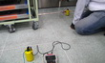
Maintenance focuses on preserving conductivity. Cleaning products must be compatible with ESD flooring materials. Regular testing is often performed to confirm that resistance levels remain within acceptable ranges.
Unlike standard flooring, maintenance procedures are part of the overall static control system.
Choosing the Right ESD Floor for Your Facility
Selecting an ESD floor depends on the type of industrial activity, expected foot traffic, and technical requirements. Some environments require higher durability, while others prioritize cleanliness or precision.
Facilities should evaluate how static control fits into their overall safety and operational systems. Flooring is only one part of a broader ESD management approach, which may also include footwear, grounding devices, and environmental controls.
Understanding these factors helps ensure that the flooring solution supports long-term operational needs.
Conclusion
An ESD floor plays a vital role in controlling static electricity in industrial environments. By managing electrical discharge safely, BSP Floor solutions support equipment protection, operational stability, and consistent working conditions.
From conductive rubber tiles to conductive PVC flooring, ESD systems from BSP Floor are designed to meet the demands of controlled environments. Choosing the right solution requires a clear understanding of technical requirements and installation considerations.
For further information or assistance related to ESD flooring solutions, contact us today.
Frequently Asked Questions
1. What is an ESD floor used for?
An ESD floor is used to control static electricity in environments where electrostatic discharge could damage equipment or disrupt operations.
2. Is ESD flooring required in all industrial areas?
No, it is typically required only in areas with sensitive electronics or controlled environments.
3. How does ESD flooring differ from regular industrial flooring?
ESD flooring has controlled electrical resistance, while standard flooring does not manage static electricity.
4. Does ESD flooring require special maintenance?
Yes, maintenance procedures are designed to preserve conductivity and static control.
5. Can ESD flooring be used with standard footwear?
In many cases, ESD flooring is most effective when used with compatible footwear and grounding systems.