


What Is Raised Floor System? Complete Guide for Modern Buildings

Introduction
A raised floor system is an essential feature in many modern buildings, especially where flexibility, cable management, and efficient space utilization are required. From commercial offices to data centers, the use of a raised floor has become increasingly common due to its ability to support evolving infrastructure needs.
This guide explains what a raised floor is, how it works, and why it is widely used in contemporary construction. It also highlights how solutions from BSP Floor align with modern building requirements.
What Is a Raised Floor System?
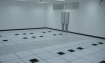
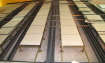
A raised floor, also known as an access floor or raised access floor system, is a type of elevated flooring structure built above a building’s original concrete slab. The gap created between the original floor and the raised panels is used to house electrical wiring, data cables, HVAC systems, and other utilities.
This design allows easy access to infrastructure without disrupting the main workspace, making it highly suitable for environments that require frequent updates or maintenance.
Key Components of a Raised Access Floor System
Understanding the structure of a raised access floor system helps in evaluating its functionality. The main components include:
1. Floor Panels
These are modular panels placed on top of the support structure. They are designed for durability and can be removed easily for access.
2. Pedestals
Pedestals are adjustable vertical supports that hold the panels above the original floor. They determine the height of the raised floor system.
3. Stringers
Stringers connect pedestals horizontally, providing additional stability and load distribution.
4. Finishes
Panels can be finished with materials like laminate, vinyl, carpet, or even glass, depending on design and usage requirements.
Table: Features and Benefits of Raised Floor Systems
Feature | Description | Benefit |
Elevated structure | Floor panels raised above base | Space for cables and utilities |
Modular design | Removable panels | Easy maintenance and upgrades |
Flexible layout | Adaptable configuration | Suitable for evolving spaces |
Load-bearing capacity | Designed for heavy equipment | Ideal for offices and data centers |
Variety of finishes | Multiple surface options | Matches interior design needs |
Applications in Modern Buildings
Raised floor systems are widely used in various environments where organization and accessibility are essential.
Commercial Offices
Modern offices require efficient cable management for IT infrastructure. A raised floor ensures that wiring remains organized and accessible.
Data Centers
Data centers rely heavily on structured cabling and cooling systems. Raised access floor systems help manage airflow and equipment placement.
Control Rooms
Facilities such as monitoring centers benefit from the flexibility and accessibility of raised floors.
Retail and Showrooms
Certain retail environments use specialized raised floors, such as glass panels, to enhance design while maintaining functionality.
Types of Raised Floor Systems
Different types of raised floor systems are available based on structural and functional requirements.
1. Stringer System
This system uses horizontal supports between pedestals, providing additional stability. It is suitable for areas with high load requirements.
2. Bare Panel System
In this system, panels are placed directly on pedestals without stringers. It allows quicker installation and easier access.
3. Low-Profile Systems
These systems are designed for spaces with limited height, offering the benefits of a raised floor without requiring significant elevation.
Installation Considerations
Proper installation is critical for the performance of a raised access floor system. Key factors include:
- Subfloor condition: The base floor must be level and stable
- Load requirements: The system should support expected equipment weight
- Height planning: Adequate space must be allocated for utilities
- Material selection: Panels and finishes should match usage needs
A well-planned installation ensures durability and long-term usability.
Maintenance and Long-Term Performance
One of the main advantages of a raised floor is ease of maintenance. Since panels are removable, accessing cables and systems becomes simple and efficient.
Regular inspection is recommended to ensure:
- Pedestals remain stable
- Panels are securely placed
- No damage occurs to underlying systems
With proper maintenance, raised floor systems can support building operations for many years.
Role of BSP Floor in Raised Floor Solutions
BSP Floor provides a range of raised floor solutions designed to meet the needs of modern buildings. Their offerings include different types of access floor systems with various finishes and configurations.
The company focuses on practical applications, ensuring that flooring systems align with both structural and design requirements.
Conclusion
A raised floor system plays an important role in modern construction by providing flexibility, accessibility, and efficient space utilization. Whether used in offices, data centers, or commercial environments, the benefits of a raised access floor system are clear.
Understanding its components, types, and applications helps in making informed decisions for building design and infrastructure planning.F or further details or project-specific requirements, contact us today.
FAQ
What is the main purpose of a raised floor system?
A raised floor system is used to create space for cables, wiring, and utilities while allowing easy access for maintenance.
Where are raised access floor systems commonly used?
They are commonly used in offices, data centers, control rooms, and certain retail environments.
What materials are used in raised floor panels?
Panels can be made from materials like steel, wood core, or glass, depending on design and functional needs.
Is a raised floor system suitable for all buildings?
It depends on the building’s requirements, including space, load capacity, and infrastructure needs.
How is maintenance performed on raised floors?
Maintenance involves lifting panels to access underlying systems and ensuring all components remain secure and stable.