







ESD Flooring Explained: How It Protects Sensitive Equipment

Introduction
ESD flooring plays a critical role in environments where sensitive electronic equipment is used and maintained. Static electricity may seem harmless, but even a small discharge can damage electronic components, disrupt operations, and lead to costly downtime. Therefore, businesses that rely on precision equipment must consider effective solutions to control electrostatic discharge.
This article explains how esd flooring works, why it is essential, and how it supports safer and more controlled working environments.
What Is ESD Flooring
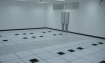
ESD flooring refers to specialized flooring systems designed to control static electricity. These systems either dissipate or conduct static charges safely to the ground, preventing sudden discharges.
Unlike standard flooring, esd flooring is engineered with materials that allow electrical charges to flow in a controlled manner. This makes it suitable for areas where sensitive electronics are handled regularly.
Companies such as BSP Floor provide flooring systems that are designed to meet these technical requirements in controlled environments.
How Static Electricity Affects Equipment
Static electricity builds up when two surfaces come into contact and then separate. In everyday situations, this may result in a small shock. However, in technical environments, the impact can be more serious.
Even a minor electrostatic discharge can damage circuit boards, reduce equipment lifespan, or cause data loss. As a result, industries such as electronics manufacturing, laboratories, and data centers must manage static electricity effectively.
Comparison of Flooring Types
Flooring Type | Function | Static Control Level | Common Use |
ESD Flooring | Controls and dissipates static | High | Electronics, labs |
Conductive Flooring | Rapidly transfers charge | Very High | Cleanrooms, manufacturing |
Anti-Static Floor | Reduces static buildup | Moderate | Offices, light industrial |
How ESD Flooring Works
ESD flooring systems are designed to create a controlled path for static electricity. They work by either dissipating or conducting electrical charges through the flooring material and into a grounding system.
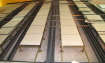
Typically, esd flooring includes layers of conductive or dissipative materials. These materials ensure that static charges do not accumulate on surfaces. Instead, they are safely redirected, reducing the risk of sudden discharge.
Key Benefits of ESD Flooring
Protection of Sensitive Equipment
The primary advantage of esd flooring is its ability to protect electronic components. By preventing static discharge, it reduces the risk of damage and ensures consistent performance.
Improved Workplace Safety
Static discharge can create hazards in certain environments. With proper flooring systems, businesses can create safer working conditions for employees.
Consistent Performance
ESD flooring provides stable and predictable performance over time. This is important in environments where precision and reliability are required.
Compatibility with Technical Environments
Whether it is a laboratory or a manufacturing unit, esd flooring supports controlled conditions. It integrates well with grounding systems and other protective measures.
Applications of ESD Flooring
ESD flooring is widely used in industries that rely on sensitive equipment. These include:
- Electronics manufacturing
- Data centers
- Laboratories
- Healthcare facilities
- Cleanrooms
In each of these environments, controlling static electricity is essential to maintain operational efficiency.
Installation Considerations
Proper installation is essential for esd flooring to perform effectively. The process typically includes:
- Preparing the subfloor
- Installing conductive layers
- Ensuring proper grounding
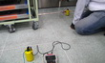
- Testing electrical resistance
Working with experienced providers ensures that the system meets required standards. Companies like BSP Floor offer solutions that align with these requirements.
Choosing the Right Flooring Solution
Selecting the right flooring depends on several factors, including:
- Type of environment
- Level of static control required
- Type of equipment used
- Compliance requirements
Understanding these factors helps businesses choose between conductive flooring, anti-static floor systems, and full esd flooring solutions.
Conclusion
ESD flooring is an essential component in environments where static electricity can impact equipment performance and safety. By providing controlled static dissipation, it helps protect sensitive systems and supports reliable operations.
Businesses that handle electronic equipment should consider structured flooring solutions to minimize risks. For more information about available systems, visit BSP Floor or explore their offerings. For specific requirements or guidance, contact us today.
FAQ
What is ESD flooring used for?
ESD flooring is used to control static electricity in environments with sensitive electronic equipment.
How does ESD flooring differ from anti-static floor?
ESD flooring actively dissipates static charges, while anti-static floor reduces static buildup.
Where is conductive flooring commonly used?
Conductive flooring is often used in cleanrooms and manufacturing environments requiring high static control.
Is ESD flooring necessary for offices?
It depends on the type of equipment used. Offices with sensitive electronics may benefit from it.
How long does ESD flooring last?
With proper installation and maintenance, ESD flooring can provide long-term performance in controlled environments.