






What Is ESD Flooring and Why It’s Essential for Industrial Areas

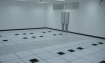
An esd floor is designed to control and safely dissipate static electricity in environments where electronic components, sensitive equipment, or industrial processes require electrostatic protection. In many industrial spaces, static electricity may not be visible, but it can affect equipment performance and product reliability.
Because of this, facilities such as electronics manufacturing plants, laboratories, and data centers often install specialized flooring systems. These flooring solutions help manage electrostatic discharge and create a safer working environment.
Modern industrial flooring systems use materials such as conductive rubber tiles or conductive PVC flooring to regulate the flow of static electricity. Instead of allowing static charges to accumulate, these materials safely direct the charge toward a grounding system.
Understanding how ESD flooring works and where it should be used helps facility managers choose the right flooring system for their operational requirements.
What Is an ESD Floor?
An ESD floor refers to flooring that helps control electrostatic discharge by allowing static electricity to move safely through the floor surface and into a grounding point.
Static electricity occurs when two materials come into contact and electrons transfer between them. In industrial settings, static can build up from everyday activities such as walking, moving equipment, or handling electronic components.
When static charges discharge suddenly, they can cause several issues:
- Damage to sensitive electronic components
- Disruption of manufacturing processes
- Malfunction of electronic equipment
- Reduced product reliability
An ESD flooring system prevents these problems by controlling the electrical resistance of the floor surface. This ensures that static charges dissipate gradually instead of releasing suddenly.
Businesses working with electronics or high precision manufacturing often install specialized flooring solutions such as conductive rubber tiles or conductive PVC flooring to manage electrostatic discharge effectively.
Why Static Electricity Is a Concern in Industrial Areas
In normal environments, static electricity usually causes minor inconvenience. However, in industrial areas that rely on sensitive electronics or precise manufacturing processes, static discharge can lead to serious problems.
Equipment Damage
Electronic components often contain microcircuits that can be damaged by very small electrical charges. Even a minor electrostatic discharge may affect their performance or shorten their lifespan.
Production Interruptions
In manufacturing facilities, static electricity can interrupt automated processes or affect the accuracy of electronic equipment. This can slow down production lines and increase operational costs.
Product Quality Issues
Static discharge can damage delicate electronic parts during assembly. As a result, defective products may enter the quality control stage, leading to increased waste or rework.
Safety Concerns
In some industrial environments, static electricity may pose safety risks when working with flammable materials or volatile chemicals.
For these reasons, many industries install ESD control systems that include flooring, grounding equipment, and protective workstations.
Key Materials Used in ESD Flooring
Different materials are used to manufacture ESD flooring systems. Each material has specific electrical properties that help control static electricity.
Conductive Rubber Tiles
Conductive rubber tiles are commonly used in environments that require consistent static control. These tiles contain conductive elements that allow electrical charges to pass through the floor surface and move safely toward a grounding point.
Rubber flooring also offers durability and resistance to wear, making it suitable for areas with frequent foot traffic or equipment movement.
Conductive PVC Flooring
Another widely used option is conductive PVC flooring. This material is engineered with conductive additives that create a controlled pathway for static electricity.
Conductive PVC floors are often used in electronics manufacturing facilities, laboratories, and controlled environments where static protection is required.
Comparison of Common ESD Flooring Materials
Flooring Material | Key Characteristics | Typical Applications |
Conductive Rubber Tiles | Durable, flexible, static dissipative | Electronics manufacturing, assembly areas |
Conductive PVC Flooring | Smooth surface, controlled conductivity | Laboratories, clean rooms |
Static Dissipative Vinyl | Moderate static control | Light industrial spaces |
Epoxy ESD Flooring | Seamless and durable | High traffic industrial areas |
Each material offers different advantages depending on the operational requirements of the facility.
Industries That Use ESD Flooring
Many industries require flooring systems that control electrostatic discharge. The most common sectors include manufacturing environments where electronic components are produced or handled.
Electronics Manufacturing
Factories producing microchips, circuit boards, or other electronic components rely on ESD control systems. Static electricity can damage delicate electronics during assembly or testing.
Data Centers
Data centers contain sensitive servers and networking equipment. An ESD flooring system helps maintain stable operating conditions for electronic infrastructure.
Laboratories
Research laboratories often work with specialized electronic equipment that must operate in controlled environments.
Industrial Assembly Areas
Manufacturing plants that assemble electronic devices require static control systems to protect components and maintain product quality.
Organizations seeking specialized flooring solutions often work with experienced providers such as BSP Floor, which offers flooring systems designed for industrial environments.
How ESD Flooring Works
An ESD flooring system works by managing electrical resistance across the floor surface. This resistance ensures that static charges move gradually toward a grounding system instead of discharging suddenly.
The system typically includes several components:
- Conductive flooring material
- Conductive adhesive or underlayment
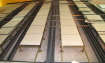
- Grounding points connected to the building’s electrical system
When a person walks across the floor, static charges generated by friction are transferred through the flooring material. The charge then moves safely toward the grounding system.
This controlled process prevents sudden electrostatic discharge events that may affect equipment or manufacturing processes.
Benefits of Installing ESD Flooring in Industrial Facilities
Installing an ESD flooring system provides several operational benefits for industrial environments.
Protection for Electronic Equipment
Static controlled flooring helps reduce the risk of electrostatic damage to sensitive electronics.
Improved Manufacturing Consistency
By reducing unexpected electrical interference, ESD flooring contributes to more stable production processes.
Better Workplace Safety
Managing static electricity helps reduce potential safety risks in environments where static discharge could create hazards.
Long-Term Facility Reliability
Industrial flooring systems designed for ESD protection can support long term operational needs when installed correctly.
Factors to Consider When Choosing ESD Flooring
Selecting the right flooring system requires evaluating several factors related to the facility’s operations.
Electrical Resistance Requirements
Different industries require specific electrical resistance ranges to control static electricity effectively.
Durability
Industrial flooring must withstand foot traffic, equipment movement, and daily operational use.
Maintenance Requirements
Some flooring systems require specialized cleaning methods to maintain their electrical performance.
Installation Environment
Temperature, humidity, and facility layout can influence the performance of ESD flooring systems.
Understanding these factors helps businesses select flooring materials that meet their operational needs.
Maintenance Practices for ESD Floors
Proper maintenance is necessary to ensure that an ESD floor continues to perform as expected.
Recommended maintenance practices include:
- Using cleaning solutions designed for ESD flooring
- Avoiding wax or coatings that may affect conductivity
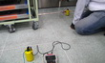
- Performing periodic electrical resistance testing
- Following manufacturer maintenance guidelines
Regular inspection helps maintain the effectiveness of the static control system.
Conclusion
ESD flooring plays an important role in environments where static electricity can affect equipment, manufacturing processes, or product quality. By allowing electrostatic charges to dissipate safely, specialized flooring materials help create more controlled and reliable industrial workspaces.
Materials such as conductive rubber tiles and conductive PVC flooring are commonly used in facilities that require static protection. When installed correctly and maintained properly, these systems support operational stability in industries that depend on sensitive electronic equipment.
Businesses evaluating flooring solutions for industrial environments may benefit from consulting experienced providers that specialize in conductive flooring systems.
If you would like more information about flooring solutions for static control environments, contact us today.
FAQ Section
What is the purpose of an ESD floor?
An ESD floor is designed to control electrostatic discharge by safely directing static electricity toward a grounding system. This helps protect sensitive equipment and electronic components.
Where are ESD floors commonly used?
ESD floors are commonly installed in electronics manufacturing facilities, laboratories, data centers, and industrial assembly areas where static control is necessary.
What materials are used in ESD flooring?
Common materials include conductive rubber tiles, conductive PVC flooring, static dissipative vinyl, and epoxy based ESD flooring systems.
How does ESD flooring prevent static electricity?
ESD flooring controls the electrical resistance of the floor surface, allowing static charges to move gradually toward grounding points rather than discharging suddenly.
Does ESD flooring require special maintenance?
Yes. ESD flooring should be cleaned with appropriate solutions and inspected regularly to ensure that the electrical properties remain effective.