


Safety Standards of Glass Access Flooring in Thailand: What You Must Know

A safe and well-designed access floor plays a major role in modern commercial and architectural spaces in Thailand. Glass access flooring , when engineered with proper safety standards, provides both functionality and aesthetic value. This guide explains the essential safety considerations for glass access floors, including materials, load rating, raised floor structure, testing, and the installation process.
You can explore glass access flooring products on the official website of BSP CO., LTD, a provider of professional raised flooring systems in Thailand.
Understanding Glass Access Flooring
Glass access flooring is designed to support pedestrian movement while allowing a transparent or semi-transparent surface. It is most used in showrooms, offices, commercial environments, public spaces, and architectural projects where visibility and aesthetics matter.
What is a Raised Access Floor?
A raised access floor is an elevated flooring system built above the structural slab. This creates an under-floor space for routing electrical wiring, air-conditioning systems, communication lines, and other building services. This system allows easier maintenance and improved flexibility for future upgrades.
Why Choose Glass Access Flooring?
Glass access flooring offers a combination of strength, clarity, and modern design. When properly engineered, tempered glass panels can support heavy foot traffic. The transparency allows light distribution within the space, creating a clean and contemporary environment. The system must meet strict safety standards to ensure durability and long-term performance.
Safety Standards for Glass Access Floors in Thailand
Safety is the highest priority when selecting materials for glass access flooring. The safety regulations in Thailand align with international standards to ensure that the glass flooring system can withstand structural loads and prevent accidents.
Material Requirements
The glass used for access flooring must be strong, stable, and resistant to environmental stress. For this reason, access floors typically use multiple layers of tempered glass panels. These layers are bonded to increase strength and prevent the surface from shattering in hazardous ways.
Tempered Glass Panels
Tempered glass panels are a key component of safe glass flooring. They undergo a controlled heat-treatment process that increases their strength. When broken, tempered glass fragments into small, less dangerous pieces. Raised access floor systems rely heavily on tempered glass due to its superior durability and safety characteristics.
Anti-Slip Glass Properties
One of the most important safety features in glass flooring is the anti-slip glass surface. Commercial spaces in Thailand, especially high-traffic areas, must use treated surfaces to reduce the risk of slipping. Anti-slip glass can be achieved using acid-etching, ceramic coatings, or textured surfaces. The purpose is to maintain clarity while providing underfoot safety.
Raised Floor Structure and Design Considerations
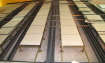
The raised floor structure supports the glass panels, ensuring they distribute loads evenly and safely. The structure usually includes pedestals, stringers, and supporting frames. The quality of this structure determines the system's overall performance.
Structural Framework
The structural framework must be engineered to support both static and dynamic loads. Metal pedestals and frames are often used to provide stability. These elements are designed with adjustable heights to create a level surface and ensure proper alignment.
Load Rating Requirements
Load rating is one of the most critical safety factors. Glass access floors must meet load rating standards suitable for their intended use. For example:
Load Requirement | Description |
Uniform Load | Overall weight distributed across the panel |
Concentrated Load | Point load applied at a specific location |
Ultimate Load | Maximum load before failure |
A professional raised access floor installation ensures that the load rating meets safety regulations for the environment in which the flooring is installed.
Safety Testing and Performance Verification
Before installation, glass access flooring undergoes testing to verify its performance. Testing helps ensure that the flooring meets structural, mechanical, and safety requirements.
Mechanical Testing
Mechanical testing assesses how the glass reacts under pressure. Industry standards require that panels withstand concentrated loads, impact forces, and long-term stress without deformation or failure. These tests confirm that the panels and raised floor structure can support expected usage conditions.
Fire Resistance Considerations
Raised floor systems, including glass floors, must meet fire resistance expectations. While tempered glass is not a fire-resistant material by itself, the overall access floor system must help maintain safe routes for evacuation and avoid contributing to fire spread. Fire ratings depend on the materials used for the structure and the flooring assembly.
Installation Process and Compliance
The installation process for a glass access floor requires precision, planning, and professional expertise. BSP CO., LTD ensures proper installation steps to meet safety and engineering guidelines.
Key Steps in the Installation Process
- Site measurement and preparation
- Layout planning for the raised floor structure
- Installation of pedestals and supporting framework
- Placement of tempered glass panels
- Adjustment for leveling and alignment
- Final inspection and safety verification
Every step ensures the flooring will perform safely under expected daily use.
Why Professional Installation Matters
Incorrect installation can affect safety, load capacity, and stability. A professional installation team follows engineering specifications, ensuring that all components meet required standards. This includes checking panel alignment, weight distribution, and structural integrity.
Maintenance for Long-Term Safety
Regular maintenance helps preserve the strength and clarity of the glass flooring. Maintenance includes:
- Checking structural components
• Cleaning with non-abrasive solutions
• Inspecting anti-slip glass surfaces
• Verifying load-bearing elements
Routine checks ensure the flooring continues to meet safety expectations over time.
Conclusion
Glass access flooring offers aesthetic appeal and functional performance when built to proper safety standards. By understanding material requirements, testing processes, raised floor structure, and load rating guidelines, decision-makers can ensure safer installations in Thailand. To learn more about raised flooring solutions or to request professional support, contact us today.
Frequently Asked Questions
What materials are used in glass access flooring?
Glass access flooring typically uses tempered glass panels combined with a metal structural framework.
1. What is the purpose of a raised access floor?
It provides space beneath the floor for cables, wiring, and building systems, making maintenance easier.
2. How is load rating determined for glass floors?
Load rating is determined through mechanical testing to evaluate how much weight the panels and structure can safely support.
3. Is anti-slip glass necessary?
Yes. Anti-slip treatments are essential to reduce the risk of accidents on smooth glass surfaces.
4. How often should glass access floors be inspected?
Regular inspections are recommended to ensure long-term performance and safety.
5. Are glass access floors suitable for high-traffic areas?
Glass access floors can be suitable for high-traffic areas when they use tempered glass panels with appropriate load ratings. Proper installation and compliance with safety standards ensure they function effectively in busy environments.
6. What factors affect the durability of glass access flooring?
Durability depends on material quality, load rating, anti-slip surface performance, installation accuracy, and regular maintenance. When these elements are managed correctly, the flooring maintains long-term stability.