



Benefits of Raised Floors in Data Centers & Server Rooms

Introduction
A raised floor is one of the most widely used flooring solutions in modern data centers and server rooms. As organizations continue to rely on digital infrastructure, the need for organized cable management, efficient airflow, and adaptable facility design becomes increasingly important. A raised flooring system creates an elevated platform above the structural floor, allowing space underneath for cables, cooling systems, and other building services.
Data centers and server rooms require environments that support equipment performance while simplifying maintenance. This is where raised floor systems provide practical advantages. Whether installed in a large-scale data center or a smaller server room, these systems help improve operational efficiency and space utilization.
What Is a Raised Floor?
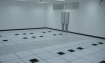
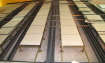
A raised floor is a modular flooring system supported by pedestals that create a gap between the floor panels and the building's structural floor. This underfloor space can accommodate electrical wiring, network cables, cooling airflow, and other infrastructure components.
Many facilities use a raised access floor because it allows technicians to access the space beneath the floor without major construction work. Individual floor panels can be removed when maintenance or upgrades are required.
For specialized environments, a prefabricated raised floor can provide a practical installation option, offering consistency and adaptability across different facility layouts.
For an example of a raised floor solution, explore the Raised floor product page available from BSP Floors.
Why Data Centers and Server Rooms Use Raised Floors
Data centers house critical IT equipment, including servers, networking devices, storage systems, and power distribution units. These systems generate heat and require organized infrastructure management.
Without proper flooring and infrastructure planning, facilities can face challenges such as:
1. Poor airflow distribution
2. Cable congestion
3. Difficult maintenance access
4. Limited scalability
5. Increased downtime during upgrades
A raised floor system addresses many of these concerns by creating a dedicated underfloor area for critical services.
Key Benefits of Raised Floors
Improved Airflow Management
Cooling is one of the most important considerations in a data center environment. Servers generate significant heat during operation, and effective cooling helps maintain stable performance.
A raised floor system supports underfloor air distribution. Conditioned air can travel beneath the floor and be directed to specific areas through perforated panels or ventilation grilles.
Benefits of improved airflow include:
1. More consistent temperature control
2. Better equipment cooling
3. Reduced hot spots
4. Improved energy efficiency
As a result, data center operators can better manage thermal conditions throughout the facility.
Better Cable Organization
Server rooms often contain extensive electrical and data cabling. When cables are routed across the floor surface, they can create clutter and make maintenance more difficult.
A raised access floor provides dedicated space beneath the floor panels for cable routing. This arrangement helps:
1. Organize network and power cables
2. Reduce cable congestion
3.Improve accessibility
4. Support future infrastructure expansion
Proper cable management can also simplify troubleshooting and equipment upgrades.
Easier Maintenance and Access
Maintenance activities are common in data centers and server rooms. Technicians may need access to wiring, cooling systems, or other infrastructure components.
With a raised floor system, individual panels can be lifted to access the area below. This approach reduces disruption compared to traditional flooring systems that may require extensive modifications.
Advantages include:
1. Faster inspections
2. Easier repairs
3. Simplified upgrades
4. Reduced downtime
The accessibility offered by raised floors supports efficient facility management over the long term.
Scalability and Flexibility
Technology infrastructure continues to evolve. Data centers frequently add equipment, expand capacity, or modify layouts to meet changing business requirements.
Raised floor systems offer flexibility because infrastructure can be modified beneath the floor without significant structural changes.
Organizations benefit from:
Easier expansion projects
Adaptable equipment layouts
Simplified cable additions
Improved facility planning
This flexibility makes raised floors suitable for both current and future operational needs.
Enhanced Safety
Maintaining a safe environment is important in facilities containing critical equipment. Exposed cables can create trip hazards and increase the risk of accidental damage.
A raised floor helps improve safety by keeping cables and services below the walking surface.
Additional safety benefits include:
Cleaner work areas
Reduced cable exposure
Easier traffic flow
Better infrastructure protection
These factors contribute to a more organized and secure facility environment.
Raised Floor vs Traditional Flooring
The differences between raised floor systems and traditional flooring become more apparent in technical environments.
Feature | Raised Floor | Traditional Floor |
|---|---|---|
Cable Management | Underfloor routing | Surface routing often required |
Airflow Distribution | Supports underfloor airflow | Limited airflow options |
Accessibility | Easy panel removal | More difficult access |
Scalability | Flexible modifications | Structural changes may be required |
Maintenance | Simplified access | More complex maintenance |
For data centers and server rooms, these advantages often make raised flooring the preferred solution.
Understanding Prefabricated Raised Floor Systems
A prefabricated raised floor is designed using modular components that can be assembled efficiently on-site. These systems are commonly selected for projects requiring consistent installation and flexible layouts.
Benefits of prefabricated systems include:
Modular design
Adaptable configurations
Simplified installation processes
Easier future modifications
Because each facility has unique requirements, modular flooring systems provide options that can accommodate different infrastructure needs.
Applications Beyond Data Centers
Although raised floors are strongly associated with data centers, they are also used in other commercial and technical environments.
Common applications include:
Control rooms
Network operation centers
Telecommunications facilities
Command centers
Corporate offices
Technology laboratories
These environments benefit from the same advantages of cable management, accessibility, and infrastructure flexibility.
Choosing the Right Raised Access Floor
Selecting the right raised access floor depends on several project requirements.
Key considerations include:
1. Load Capacity
The flooring system should support equipment weight and anticipated traffic loads.
2. Panel Material
Different panel materials provide varying performance characteristics depending on project needs.
3. Accessibility Requirements
Facilities with frequent maintenance requirements may prioritize easy panel removal and access.
4. Environmental Conditions
Temperature, humidity, and operational requirements should be considered during system selection.
Evaluating these factors helps ensure the flooring system aligns with the facility's intended use.
Why Flooring Quality Matters
In data centers and server rooms, flooring plays a functional role that extends beyond surface appearance. A properly designed raised floor supports infrastructure management, operational efficiency, and future adaptability.
BSP Floors offers flooring solutions designed for commercial and technical environments, including raised floor systems that support modern facility requirements. By selecting a flooring solution that aligns with operational needs, organizations can create spaces that are easier to maintain and manage over time.
Conclusion
Raised floor systems provide practical benefits for data centers and server rooms by improving airflow management, organizing cables, supporting maintenance access, and allowing greater flexibility for future infrastructure changes. Whether using a traditional modular system or a prefabricated raised floor solution, organizations can benefit from improved operational efficiency and infrastructure organization.
As technology environments continue to evolve, raised access floor systems remain a valuable component in supporting modern facility requirements. To learn more about available flooring solutions and project requirements, visit BSP Floors or contact us today.
FAQs
1. What is the main purpose of a raised floor in a data center?
A raised floor creates underfloor space for cable routing, cooling airflow, and infrastructure management, helping improve organization and accessibility.
2. How does a raised access floor improve cooling efficiency?
A raised access floor allows conditioned air to be distributed beneath the floor and directed toward equipment areas that require cooling.
3. What is a prefabricated raised floor?
A prefabricated raised floor is a modular flooring system designed for efficient installation and flexible configuration in technical and commercial environments.
4. Are raised floors only used in data centers?
No. Raised floors are also used in control rooms, telecommunications facilities, offices, laboratories, and other technology-focused spaces.
5. Can raised floor systems be modified after installation?
Yes. One of the advantages of raised floor systems is that individual panels can be removed, allowing easier access for upgrades, maintenance, and infrastructure changes.