


How Raised Floors Improve Cable Management & Efficiency

Introduction
A Raised access floor plays an important role in modern commercial, office, and technical environments where cable organization and operational efficiency are essential. As businesses continue to rely on complex electrical and data systems, managing wires beneath traditional flooring becomes more difficult. An organized infrastructure is necessary for safety, maintenance, and flexibility.
An advanced access floor system helps create an accessible underfloor space that supports cable routing, ventilation, and equipment organization. This approach improves workplace functionality while maintaining a clean and professional appearance. Many modern facilities now use a raised floor to support changing technology requirements and improve interior efficiency.
Companies such as BSP Floors provide flooring solutions designed for commercial and specialized applications, including raised floor systems that support practical cable management requirements.
What Is a Raised Access Floor?
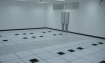
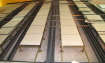
A Raised access floor is a flooring structure installed above the original concrete slab. The system creates an empty cavity between the structural floor and the walking surface. This underfloor space allows electrical wiring, networking cables, air distribution systems, and other utilities to be organized efficiently.
Most systems include removable floor panels supported by adjustable pedestals. This design allows technicians to access cables and infrastructure without damaging the flooring.
An access floor is commonly used in:
- Data centers
- Commercial offices
- Control rooms
- Server rooms
- Educational facilities
- Technology-driven workspaces
The flexibility of these systems makes them suitable for buildings where layouts and technology frequently change.
Why Cable Management Matters in Modern Buildings
Efficient cable management is essential for maintaining workplace productivity and safety. Poorly organized cables can lead to maintenance difficulties, overheating, and operational disruptions.
Traditional cable routing methods often create cluttered work environments. Exposed wiring may also reduce workplace safety and limit future upgrades. By comparison, a structured access floor system helps organize power and communication lines within a dedicated underfloor pathway.
Good cable management supports:
- Easier maintenance access
- Reduced tripping hazards
- Better airflow circulation
- Cleaner workspace appearance
- Faster technology upgrades
- Improved operational efficiency
As businesses continue to expand their digital infrastructure, the demand for organized flooring systems continues to grow.
How Raised Floors Improve Cable Organization
Simplified Underfloor Routing
One of the biggest advantages of a raised floor is the ability to route cables beneath the surface instead of through walls or ceilings. This arrangement keeps the workspace cleaner while allowing technicians to manage cables more effectively.
Since floor panels can be removed individually, repairs and modifications become simpler. Technicians can quickly identify and access cable pathways without major disruptions.
Improved Flexibility for Layout Changes
Modern offices often undergo workspace reconfiguration. A flexible Raised access floor system supports these changes because cables can easily be relocated under the floor panels.
This adaptability is especially useful in environments where departments expand or technology upgrades occur frequently.
Better Separation of Systems
An organized access floor allows electrical, networking, and communication systems to remain separated. Proper separation reduces interference between systems and improves overall infrastructure management.
Benefits of an Access Floor System
Enhanced Workplace Appearance
Visible cables can make professional spaces appear disorganized. An access floor system conceals wires beneath the flooring surface, creating a cleaner and more organized environment.
Easier Maintenance
Since panels can be lifted individually, maintenance teams can access utilities without extensive renovations. This minimizes downtime and simplifies inspection procedures.
Better Airflow Management
Many commercial facilities use underfloor air distribution systems alongside a raised floor. The underfloor cavity can help support airflow circulation in technology-heavy environments.
Scalability for Future Expansion
Businesses often need to install additional cables or upgrade systems. A modular Raised access floor makes future modifications easier compared to traditional flooring structures.
Improved Space Utilization
An organized flooring system helps maximize usable workspace by eliminating exposed cable trays and reducing clutter around desks and equipment.
Types of Raised Floor Solutions
Different environments require different flooring solutions. The choice depends on operational requirements, aesthetics, and load capacity.
|
Type of Raised Floor |
Common Applications |
Key Features |
|---|---|---|
|
Steel Cementitious Panels |
Offices and server rooms |
Durable and stable |
|
Calcium Sulphate Panels |
Commercial interiors |
Strong acoustic performance |
|
Aluminum Panels |
Clean rooms and technical spaces |
Lightweight and corrosion-resistant |
|
Glass Raised Access Floor |
Modern commercial spaces |
Visual appeal and accessibility |
|
Anti-Static Flooring |
Data centers |
Reduces static electricity |
Each flooring solution supports specific operational requirements and building designs.
Glass Raised Access Floor Applications
Modern commercial interiors increasingly use glass flooring systems to combine functionality with visual appeal. A specialized Raised access floor solution can provide visibility to underfloor systems while maintaining accessibility.
- Glass panels are commonly installed in:
- Technology showrooms
- Modern office interiors
- Exhibition areas
- Commercial spaces with architectural design requirements
These systems allow businesses to maintain infrastructure accessibility while supporting contemporary interior aesthetics.
Comparing Traditional Flooring and Raised Access Floor Systems
Traditional Flooring Limitations
Conventional flooring systems typically hide cables within walls or fixed conduits. While functional, these systems can create limitations when upgrades or repairs are necessary.
Maintenance work often requires drilling, wall modifications, or significant labor.
Advantages of Raised Floor Systems
A modular access floor system offers greater accessibility and flexibility. Businesses can modify layouts and infrastructure more efficiently without major structural changes.
Below is a comparison of both systems:
|
Feature |
Traditional Flooring |
Raised Access Floor |
|---|---|---|
|
Cable Accessibility |
Limited |
Easy access |
|
Flexibility |
Low |
High |
|
Maintenance |
More disruptive |
Less disruptive |
|
Workspace Appearance |
May expose cables |
Cleaner finish |
|
Future Upgrades |
More difficult |
Easier to manage |
Choosing the Right Access Floor for Your Space
Selecting the right raised floor depends on several factors.
Load Requirements
Commercial and technical spaces require flooring systems capable of supporting equipment, furniture, and foot traffic.
Cable Volume
Facilities with extensive networking infrastructure may require larger underfloor cavities for cable routing.
Environmental Conditions
Different materials perform better in different environments. For example, anti-static systems are commonly used in data centers.
Design Preferences
Modern interiors may benefit from visually distinctive flooring options such as glass access flooring systems.
Businesses should evaluate operational needs before selecting a flooring solution.
Maintenance and Long-Term Efficiency
Proper maintenance helps extend the lifespan of an access floor while maintaining efficiency.
Recommended maintenance practices include:
- Regular inspection of floor panels
- Cleaning underfloor spaces periodically
- Checking pedestal stability
- Organizing cable pathways properly
- Monitoring airflow systems where applicable
A well-maintained Raised access floor can continue supporting operational requirements for many years.
According to the International Facility Management Association, adaptable infrastructure systems contribute to long-term facility efficiency and workplace functionality.
Conclusion
A properly designed Raised access floor helps modern buildings improve cable management, accessibility, and operational flexibility. By creating organized underfloor pathways, businesses can reduce clutter, simplify maintenance, and support future infrastructure upgrades more effectively.
An efficient access floor system also contributes to cleaner workspace design and improved functionality across commercial and technical environments. Whether used in offices, server rooms, or specialized facilities, these systems provide practical long-term value.
For businesses exploring modern flooring solutions, Contact us today to learn more about available raised flooring applications and system options.
FAQs
What is a Raised access floor used for?
A Raised access floor is used to create underfloor space for cable management, electrical systems, airflow distribution, and technology infrastructure in commercial and technical environments.
How does an access floor system improve cable management?
An access floor system organizes cables beneath removable floor panels, making maintenance, upgrades, and routing easier and more efficient.
Where are raised floor systems commonly installed?
Raised floor systems are commonly installed in offices, data centers, server rooms, control rooms, and technology-driven commercial spaces.
Are glass raised access floors suitable for commercial interiors?
Yes, glass raised access floors are often used in modern commercial interiors where visibility, accessibility, and architectural design are important.
Can a raised floor support heavy equipment?
Many raised floor systems are designed to support office furniture, technical equipment, and commercial traffic loads, depending on the panel specifications.
Is maintenance required for an access floor?
Yes, regular inspection and cleaning help maintain the efficiency, stability, and long-term p