



Anti-Static Flooring for Industrial Safety: Complete Guide

Industrial facilities require flooring systems that support workplace safety, equipment protection, and long-term durability. Anti- Static flooring plays an important role in environments where electrostatic discharge can affect sensitive equipment and operational performance. From manufacturing plants to electronic assembly units, businesses often rely on flooring systems designed to control static electricity.
Modern industries increasingly use ESD-safe flooring because static buildup can damage electronics, interrupt production, and create workplace safety concerns. As a result, many industrial environments install specialized flooring systems that support controlled static dissipation while maintaining durability and ease of maintenance.
Understanding Electrostatic Discharge in Industrial Environments
Electrostatic discharge, commonly known as ESD, occurs when electrical energy transfers between objects with different electrical charges. In industrial environments, this discharge may affect sensitive electronic components and machinery.
An uncontrolled static discharge can damage circuits, reduce equipment lifespan, and impact operational efficiency. Therefore, industries that work with electronics, pharmaceuticals, automotive components, and precision manufacturing often use flooring systems specifically designed for ESD control.
ESD floor helps reduce the buildup of static electricity by safely dissipating electrical charges through the flooring system. This controlled discharge contributes to a safer and more stable working environment.
What Is Anti Static Flooring?
Anti static flooring refers to flooring systems developed to minimize or control static electricity accumulation. These flooring materials help prevent sudden electrical discharge that may interfere with sensitive equipment or industrial operations.
The flooring system is typically designed with conductive or static-dissipative properties. Depending on the industrial requirement, businesses may choose flooring solutions that support different resistance levels and installation methods.
Many industrial facilities prefer anti static flooring because it combines safety performance with durability. Additionally, these systems are commonly designed for heavy foot traffic and industrial use.
Types of Anti Static Flooring Solutions
Different industrial environments require different levels of static control. Therefore, understanding the available flooring options helps businesses choose suitable solutions for their operational needs.
Conductive PVC Tiles
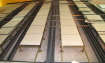
PVC tiles are commonly used in industrial and technical environments where consistent conductivity is important. These tiles are designed to transfer electrical charges safely through the floor system.
Conductive PVC tiles are often selected for:
- Electronics manufacturing units
- Laboratories
- Data centers
- Clean rooms
- Assembly facilities
These flooring solutions are also valued for their durability, easy maintenance, and resistance to wear in high-traffic industrial settings.
Static Dissipative Flooring
Static dissipative flooring controls static electricity by slowing down the discharge process. This type of flooring is suitable for areas where moderate ESD protection is required.
Unlike highly conductive systems, static dissipative floors release electrical charges gradually, which helps maintain controlled static management within the workspace.
Benefits of Anti Static Flooring in Industrial Facilities
Industrial flooring systems must support safety, productivity, and operational efficiency. Anti static flooring provides several practical benefits in environments where static control is necessary.
Improved Equipment Protection
Sensitive electronic devices and machinery can be affected by electrostatic discharge. Flooring systems designed for ESD control help reduce the risk of equipment damage caused by static buildup.
Enhanced Workplace Safety
Static discharge may create operational issues in certain industrial environments. Anti static flooring helps create a more controlled and safer workspace by reducing unwanted electrical discharge.
Durability for Industrial Use
Industrial flooring experiences constant movement from machinery, workers, and equipment. Many ESD flooring systems are developed to withstand demanding industrial conditions while maintaining performance over time.
Easier Maintenance
Conductive and anti static flooring systems are generally designed for easy cleaning and maintenance. This feature supports hygienic working conditions in industries such as healthcare, electronics, and pharmaceuticals.
Long-Term Operational Support
A properly installed ESD floor contributes to operational consistency by supporting static control throughout the workspace. As a result, businesses can maintain safer and more reliable production environments.
Industries That Use ESD Flooring Systems
Several industries use anti static flooring because of the importance of electrostatic control in their operations.
Electronics Manufacturing
Electronic components are highly sensitive to static discharge. Flooring systems with ESD protection help support safer production and assembly processes.
Healthcare and Laboratories
Medical laboratories and healthcare facilities often require controlled environments. Anti static flooring may support operational safety and equipment reliability in these spaces.
Data Centers
Data centers contain sensitive electronic systems that require stable environmental conditions. ESD flooring systems help reduce static-related risks around technical infrastructure.
Automotive Industry
Automotive manufacturing plants frequently use advanced electronics and automated machinery. Conductive flooring solutions help maintain controlled industrial environments.
Clean Rooms
Clean rooms require controlled conditions for manufacturing and research processes. ESD flooring systems are often integrated into these spaces because they support both cleanliness and static management.
Important Features to Consider Before Installation
Selecting the right anti static flooring system involves evaluating operational needs, environmental conditions, and maintenance requirements.
Electrical Resistance Performance
Different facilities require different resistance levels. Businesses should evaluate whether conductive or static dissipative flooring is more suitable for their operations.
Material Quality
High-quality flooring materials generally provide better durability and long-term performance. Industrial environments often require flooring systems designed for heavy use.
Installation Requirements
Professional installation is important for ensuring effective conductivity and long-term flooring performance. Proper grounding systems are also necessary in many ESD flooring applications.
Maintenance Needs
Some flooring systems require specialized cleaning methods to maintain conductivity. Therefore, businesses should consider long-term maintenance requirements before installation.
Comparison of Common Anti Static Flooring Options
|
Flooring Type |
Main Purpose |
Common Applications |
Key Features |
|---|---|---|---|
|
Conductive PVC Tiles |
Fast electrical conductivity |
Electronics manufacturing, data centers |
High conductivity, durable surface |
|
Static Dissipative Flooring |
Controlled static discharge |
Laboratories, assembly units |
Gradual discharge, stable performance |
|
Vinyl ESD Flooring |
Static control with durability |
Commercial and industrial facilities |
Easy maintenance, long-lasting |
|
Rubber Anti Static Flooring |
Worker comfort and ESD control |
Technical workspaces |
Slip resistance, comfort underfoot |
Maintenance Tips for Anti Static Flooring
Regular maintenance supports the long-term performance of ESD flooring systems. Proper cleaning methods also help maintain conductive properties.
Use Recommended Cleaning Products
Manufacturers often recommend specific cleaning products for ESD flooring systems. Using unsuitable chemicals may affect the flooring’s conductivity.
Schedule Routine Inspections
Routine inspections help identify wear, damage, or grounding issues early. This approach supports consistent flooring performance.
Keep the Surface Clean
Dust and debris may interfere with flooring efficiency. Regular cleaning helps maintain both appearance and static-control functionality.
Monitor Grounding Systems
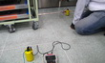
Grounding connections are important for conductive flooring systems. Periodic testing helps ensure proper electrical performance.
Conclusion
Anti static flooring continues to play an important role in industrial safety and operational efficiency. Industries that depend on sensitive electronic equipment and controlled working environments often require flooring systems that support electrostatic discharge management.
From conductive PVC tiles to complete ESD floor systems, businesses can choose solutions based on operational requirements, environmental conditions, and long-term maintenance goals. BSP Floors offers flooring systems suitable for various industrial applications, helping businesses maintain controlled and efficient workspaces. Proper installation and maintenance also contribute significantly to flooring performance and workplace safety.
For businesses seeking industrial flooring solutions designed for static control applications, BSP Floors provides flooring systems suitable for various industrial environments. Contact us today to learn more about available flooring solutions and installation support.
FAQs
What is anti static flooring used for?
Anti static flooring is used to control electrostatic discharge in environments that contain sensitive electronic equipment or industrial machinery.
How does an ESD floor work?
An ESD floor helps safely transfer static electricity through the flooring system to reduce the risk of sudden electrical discharge.
Where are conductive PVC tiles commonly installed?
Conductive PVC tiles are commonly installed in electronics manufacturing units, laboratories, clean rooms, and data centers.
Is anti static flooring suitable for industrial environments?
Yes, many anti static flooring systems are designed for industrial applications that require durability and static control.
Does anti static flooring require special maintenance?
Most anti static flooring systems require regular cleaning and periodic inspections to maintain conductivity and overall performance.