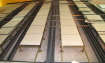



วิธีการติดตั้งพื้นยก 'BSP' (Raised Access Floor Installation)
Raised floor installation, install raised floor

Raised Floor Installation: Correct and Easy Installation Methods for Raised Floors and Access Floors.

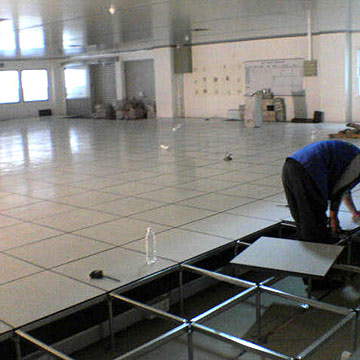
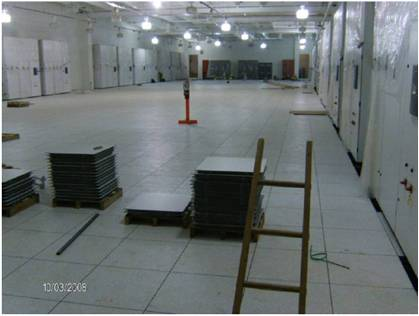
**Raised floor installation** is a crucial step in creating a functional space with a neat and organized electrical and communication cabling system, especially for server rooms and offices requiring a tidy appearance. Therefore, proper **access floor installation** not only ensures the stability of the raised floor but also facilitates future maintenance and usability.

Raised Floor Installation Procedure

Step 1: Check the room dimensions and basic requirements.

  1. What to do : To begin **installing a raised floor**, accurately measure the room dimensions according to the approved plan and verify the level of the subfloor using a laser level or spirit level. Proper installation according to the plan will ensure the raised floor is stable and durable for long-term use.
  2. Why it's important: This step ensures a level surface and allows for the inspection of unevenness in areas such as doorways, elevator shafts, or concrete bases.
  3. Problems encountered: If the floor is found to be uneven or not according to the design specifications, the contractor must be notified for correction. This may require adjusting the finished floor height (FFH).

 Step 2: Determine the starting point for installing the raised floor.

  1. What to do : Choosing the right start point is crucial when **installing access flooring**. The chosen point should adequately support the raised floor panels . If the designated start point results in cutting too small (less than 5 cm) pieces of the raised floor panel, consider changing the start point.
  2. Why it's important: The start point ensures proper alignment during the installation of raised floor panels. If any raised floor panels are cut close to the edge and are too small, approval should be sought to adjust the starting point.
  3. If problems are encountered: If the starting point is unsuitable and will cause the edges or floor slabs to lift, or if the edges are too small, request a change of starting point to ensure more stable placement of the floor slabs.

 Step 3: Placing the Control Lines

  1. What to do : The control line will be used as a reference line during installation. Placing two perpendicular lines will ensure more accurate alignment, reducing problems that may arise from misaligned walls. The control line will ensure precise installation.
  2. Why it's important: Raised floor alignment lines are essential to maintain the straightness of the installation, especially when the walls may not be perfectly straight. Using alignment lines provides a precise reference point for installing the raised floor.
  3. If problems are encountered: If the raised floor lines are not straight or cannot be used as a reference, the lines should be readjusted to ensure the floor installation remains correctly aligned.

 Step 4: Distributing the pedestal assembly.

  1. What to do : Place the access floor (pedestal) assembly on the designated line, starting from the approved start point.
  2. Why it's important:  Properly placing the access floor legs ensures the raised floor is stable and level.
  3. If you encounter a problem :  If the access floor pedestal is not in the correct position, recheck its location and adjust it to align with the alignment for the stability of the raised floor.

 Step 5: Adjust the height of the raised floor legs (Finished Floor Height - FFH).

  1. What to do : Use a laser or level to adjust the height of the raised floor pedestals to match the subfloor level. This step is crucial in preventing uneven or wobbly raised floors.
  2. Why it's important: Having even heights on raised floor legs is crucial in preventing floorboards from shaking or being unevenly installed.
  3. Troubleshooting: If the access floor legs cannot be adjusted to the same height, recheck the height of all access floor legs and adjust them to be aligned before installing the raised floor panels.

Step 6: Glue the base or pedestal onto the stand.

  1. สิ่งที่ต้องทำ: ใช้กาวชนิดพิเศษหรือ epoxy glue ทาบริเวณฐานรองขาพื้นยก โดยยกขึ้นเล็กน้อยเพื่อให้ raised floor pedestal ติดแน่นกับพื้นอาคาร
  2. ทำไมถึงสำคัญ: การติดกาวอย่างถูกต้องจะช่วยให้ฐานรองขาพื้นยกยึดติดแน่นหนากับพื้นอาคารและทำให้พื้นยกระดับมั่นคง
  3. หากพบปัญหา: หากฐานรองขาพื้นยกไม่ยึดติดกับพื้นอาคาร ควรตรวจสอบกาวที่ใช้ว่าเพียงพอและส่วนผสมถูกต้องหรือไม่ และติดตั้งให้แน่นเพื่อป้องกันการเคลื่อนของฐานรองขาพื้นยก

ขั้นตอนที่ 7: การติดตั้ง Stringers (หากจำเป็น)

  1. สิ่งที่ต้องทำ: ในระบบพื้นยกที่มี **Stringers** หรือระบบ Bolt Stringer จะต้องยึด Stringers เข้ากับหัวขาพื้นยกเพื่อเพิ่มความมั่นคงของโครงสร้างพื้น access floor
  2. ทำไมถึงสำคัญ: Stringers ช่วยเสริมความมั่นคงให้กับพื้น access floor ทำให้แผ่นพื้นยกไม่ขยับหรือหลุดออกง่าย
  3. หากพบปัญหา: หาก stringers ไม่ติดแน่นหรือหลวม ควรตรวจสอบการยึดและทำให้แน่นก่อนที่จะวางแผ่นพื้น access floor ต่อไป

ขั้นตอนที่ 8: ติดตั้งแผ่นพื้นยกระดับ

  1. สิ่งที่ต้องทำ: เริ่มติดตั้งแผ่นพื้น raised floor โดยการวางแผ่นพื้นยกไปตามแนวกำแพงยาวที่สุด แล้วจัดวางให้ตรงตาม control line เพื่อตรวจสอบว่าแผ่นพื้นยกไม่สั่นหรือเคลื่อนไหว
  2. ทำไมถึงสำคัญ: การเริ่มติดตั้งจากกำแพงยาวช่วยรักษาความตรงของรูปแบบการติดตั้งพื้นยกและป้องกันไม่ให้แผ่นพื้นยกขยับผิดตำแหน่ง
  3. หากพบปัญหา: หากแผ่นพื้นยกวางไม่ตรงกับ control line ควรปรับทิศทางของแผ่นพื้น access floor และแนวขาพื้นยก ให้ตรงกับ control line

 ขั้นตอนที่ 9: การแก้ปัญหาแผ่นพื้น raised floor สั่นคลอน

  1. สิ่งที่ต้องทำ: หากแผ่นพื้นยกสั่นเมื่อติดตั้ง ให้หมุนแผ่นเพราะอาจมีเศษสกปรกใต้แผ่นหรือตำแหน่งของฐานรอง, ขาพื้นยก, หรือคานพื้นยก ไม่ถูกต้อง ควรปรับองค์ประกอบของระบบพื้นยกต่างให้เหมาะสมและตรวจสอบอีกครั้ง
  2. ทำไมถึงสำคัญ: แผ่นพื้นยกที่สั่นแสดงถึงความไม่เสถียร ซึ่งต้องได้รับการแก้ไขเพื่อให้พื้นยกเรียบและมั่นคง
  3. หากพบปัญหา: หากแผ่นพื้นยังคงสั่นแม้จะหมุนแผ่นพื้นยกแล้ว ควรตรวจสอบว่ามีสิ่งกีดขวางใต้แผ่นหรือไม่ หากไม่พบปัญหาอาจต้องใช้แผ่นพื้นยกนั้นเป็นแผ่นพื้นยกที่ต้องใช้สำหรับตัดเป็นแผ่นเศษ

 ขั้นตอนที่ 10: การจัดลายพรม (สำหรับพื้นปูพรม)

  1. สิ่งที่ต้องทำ: สำหรับแผ่นพื้นที่ปูพรม ต้องตรวจสอบทิศทางของลายพรมตามลูกศรที่อยู่ด้านล่างของแผ่น เพื่อให้ลายพรมไปในทิศทางเดียวกันทั้งหมด การควบคุมทิศทางลายพรมเป็นเรื่องสำคัญ โดยทุกแผ่นควรมีทิศทางลายเดียวกันตามลูกศรด้านล่างแผ่น
  2. ทำไมถึงสำคัญ: การจัดลายพรมให้สม่ำเสมอเป็นสิ่งสำคัญเพื่อความสวยงาม ไม่สามารถหมุนแผ่นเพื่อแก้ปัญหาแผ่นสั่นได้ การแก้ปัญหาแผ่นพื้นยกสั่นต้องพิจารณาตามขั้นตอนที่ 9 คือการปรับองค์ประกอบต่างๆที่เกี่ยวข้องโดยเฉพาะ raised floor pedestal หรือขาพื้นยก
  3. หากพบปัญหา: หากพรมไม่สามารถติดตั้งให้ลายพรมไปในทิศทางเดียวกันได้ ควรตรวจสอบการติดตั้งเพื่อให้แน่ใจว่าลายพรมเข้ากันอย่างเหมาะสม 

 ขั้นตอนที่ 11: ตรวจสอบแนวพื้นยกและพรม

  1. สิ่งที่ต้องทำ: หลังจากติดตั้งแผ่นพื้นยก raised floor ส่วนแรกเสร็จแล้ว ควรตรวจสอบว่าแนวของพื้นยกนั้นตรงกับ control line หรือไม่ หากไม่ตรง ฆ้อนยางค่อยๆเคาะแผ่นพื้นยกเพื่อปรับแนวตรงกัน 
  2. ทำไมถึงสำคัญ: การรักษาแนวของพื้นยก raised floor ให้ตรงจะช่วยให้การติดตั้งพื้นยกเป็นไปอย่างแม่นยำ 
  3. หากพบปัญหา: หากแนวของพื้นยก raised floor ไม่ตรงหลังการติดตั้ง ควรนำแผ่นบางส่วนออกและปรับขาพื้นยกให้ตรงกับแนว control line ก่อนที่จะติดตั้งแผ่นพื้นยกใหม่

ขั้นตอนที่ 12: รักษาความตรงในห้องหรือพื้นที่ขนาดใหญ่

  1. สิ่งที่ต้องทำ: ในการติดตั้งในห้องหรือพื้นที่ขนาดใหญ่ ควรใช้ control line ที่ยาวเพื่อให้แน่ใจว่าการติดตั้งแผ่นพื้นยก access floor ตรงตลอดแนวห้อง แต่ขั้นตอนที่สำคัญคือแผ่นพื้นยกที่เป็นจุด start จะต้องมีความละเอียดมากที่สุดในการกำหนด control line เพราะถ้าผิดตั้งแต่ขั้นตอนนี้ นั่นคือแนวของพื้นยกทุกแผ่นผิดทั้งหมด
  2. ทำไมถึงสำคัญ: ห้องขนาดใหญ่อาจทำให้แนวของพื้นยก access floor มีโอกาสเคลื่อนที่ได้ง่าย ดังนั้นการรักษาความตรงของแนวพื้นยกเป็นสิ่งสำคัญในกระบวนการติดตั้ง
  3. หากพบปัญหา: หากเส้นในห้องยาวเริ่มไม่ตรงหรือโค้ง ควรตรวจสอบแนวของขาพื้นยก access floor และแนวของขาพื้นยกให้กลับมาอยู่ในระยะที่เหมาะสมเพื่อให้แนวขอบของพื้นยกตรงตลอดการติดตั้ง


ข้อดีของการติดตั้งพื้นยกระดับ (Raised Floor) ในอาคารสำนักงานและห้องเซิร์ฟเวอร์


  • จัดการสายไฟและระบบสื่อสารง่ายขึ้น

พื้นยกระดับช่วยให้การเดินสายไฟ สายเคเบิล และท่อในห้องเซิร์ฟเวอร์หรือสำนักงานมีความเป็นระเบียบ และยังสามารถซ่อนสายไฟทั้งหมดใต้พื้นเพื่อความสวยงาม


  • การบำรุงรักษาและซ่อมแซมทำได้ง่าย

หากมีปัญหาเกี่ยวกับสายไฟหรือระบบที่ติดตั้งไว้ใต้พื้น สามารถยกแผ่นพื้นขึ้นเพื่อทำการบำรุงรักษาได้ง่าย โดยไม่ต้องทำลายพื้นหรือโครงสร้างใดๆ


  • การติดตั้งที่ปรับความสูงได้ตามความต้องการ

ไม่ว่าพื้นที่ของคุณจะมีรูปทรงหรือขนาดแบบใด พื้นยกระดับสามารถปรับและติดตั้งได้อย่างยืดหยุ่นตามแบบที่กำหนด


  • การระบายอากาศที่ดีขึ้น

พื้นยกระดับช่วยให้การระบายความร้อนในห้องเซิร์ฟเวอร์ดีขึ้น เนื่องจากมีช่องว่างใต้พื้นเพื่อให้ลมไหลเวียน


คำแนะนำในการเลือกพื้นยกระดับที่เหมาะสม

  1. การเลือกวัสดุพื้น access floor: พิจารณาวัสดุของแผ่นพื้นยก เช่น เหล็ก อะลูมิเนียม หรือวัสดุคอมโพสิต ที่เหมาะสมกับการใช้งานในพื้นที่นั้นๆ
  2. ความสูงของฐานรองหรือขาพื้นยก (Pedestal): เลือกความสูงที่เหมาะสมของฐานรองพื้นตามการใช้งาน เช่น ห้องเซิร์ฟเวอร์อาจต้องการความสูงมากกว่าเพื่อรองรับสายไฟที่มาก
  3. การควบคุมคุณภาพ: ตรวจสอบว่าแผ่นพื้น raised floor และขาพื้นยกผ่านมาตรฐานสากลที่ได้กำหนดไว้ (CISCA) เพื่อความทนทานและปลอดภัยในการใช้งาน
  4. การติดตั้งงานพื้นยก : นับว่าเป็นโซลูชันที่ดีสำหรับการจัดการพื้นที่ในอาคารสำนักงานและห้องเซิร์ฟเวอร์ หากทำการติดตั้งอย่างถูกต้องตามวิธีที่กล่าวข้างต้นจะช่วยให้พื้นมีความมั่นคง ปลอดภัย และมีอายุการใช้งานที่ยาวนาน


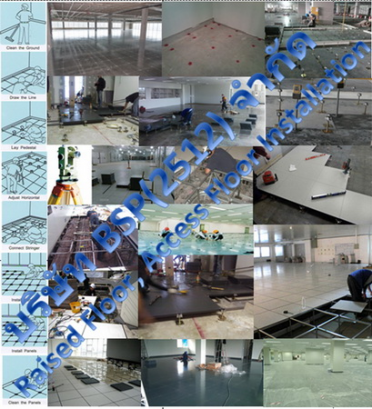
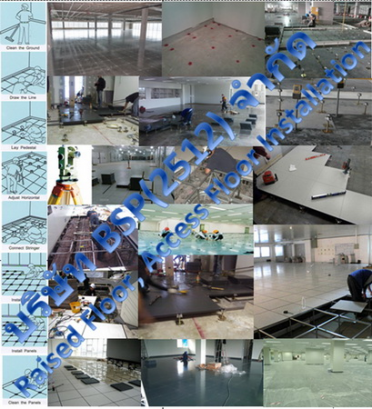
1. ทำความสะอาดพื้นที่ทำงานที่จะทำการติดตั้งงานพื้นยกระดับสำเร็จรูป

2. วางผังการบนพื้นที่ทำการติดตั้งงานพื้นยกระดับสำเร็จรูป

 Access floor installation  Raised floor installation
 3. ติดตั้งชุดขาตั้งรับแผ่นพื้นยกระดับสำเร็จรูป   4. ตรวจสอบและปรับระดับทั้งแนวตั้งและแนวนอน
Install a raised floor. Install raised floor.
5. Install the beams (if it's a beam or bolt stringer system), level them, and lock them in place with screws. 6. Install the prefabricated raised floor panels and level them.
Install the access floor. Install a prefabricated raised floor.
7. Finish the edges of the completed raised floor with rubber skirting or silicone sealant as needed. 8. Clean the finished raised floor panels after installation is complete.

เป็น animation การติดตั้งพื้นยกที่ดีมากๆ สั้นๆแต่เคลีย ขอยกเครดิตให้ TWD Topwelltech


สนใจข้อมูลเพิ่มเติม Tel. 086 991 1229, 086 997 9333

ID Line : bspfloors

ID Line@ : @bspfloors

Facebook : bspfloors

Email : bspfloors@gmail.com


www.bspfloors.com พื้นยก, access floor, raised floor, พื้นยกสำเร็จรูป, พื้นยกระดับ, พื้นยกระดับสำเร็จรูป, แผ่นพื้นยก, แผ่นพื้นยกระดับ, แผ่นพื้นยกสำเร็จรูป, ติดตั้งพื้นยกระดับ, ติดตั้งแผ่นพื้นยก, ติดตั้งระบบแผ่นพื้นยก, ติดตั้งแผ่นพื้นยกสำเร็จรูป, ติดตั้งพื้นยก


Contact Form

Visitors: 459,832